Exterior specialists · West Rand estates & complexes
Krugersdorp Painters
Exterior painting for West Rand estates
Peeling facades and faded walls drag the whole scheme down. We repaint roofs, facades, and boundary walls for body corporates and complexes — prepped properly, phased around residents, owner-managed from site visit to handover.
Built for schemes like Featherbrooke, Avianto, Chancliff Ridge, Homes Haven, and Noordheuwel.
Service areas
West Rand estates & complexes
Exterior programmes for body corporates and managing agents across Krugersdorp and the wider West Rand.
For trustees & managing agents
The exterior is the first thing residents — and buyers — judge
Patchy repairs and contractors who vanish mid-job create complaints and eat budgets. A proper exterior programme fixes the scheme once, then keeps it maintained.
Peeling & fading
Prep-first repaints with coatings chosen for Highveld sun and rain — not a slap of topcoat over failed substrate.
Resident complaints
Phased sections, agreed working hours, notices, and tidy sites daily. General painters often skip this.
Budget pressure
Block-by-block phasing and itemised scopes that fit levy planning — so trustees aren't forced into a special levy shock.
Services
What we paint
Exterior-only work for West Rand estates, body corporates, and complexes.
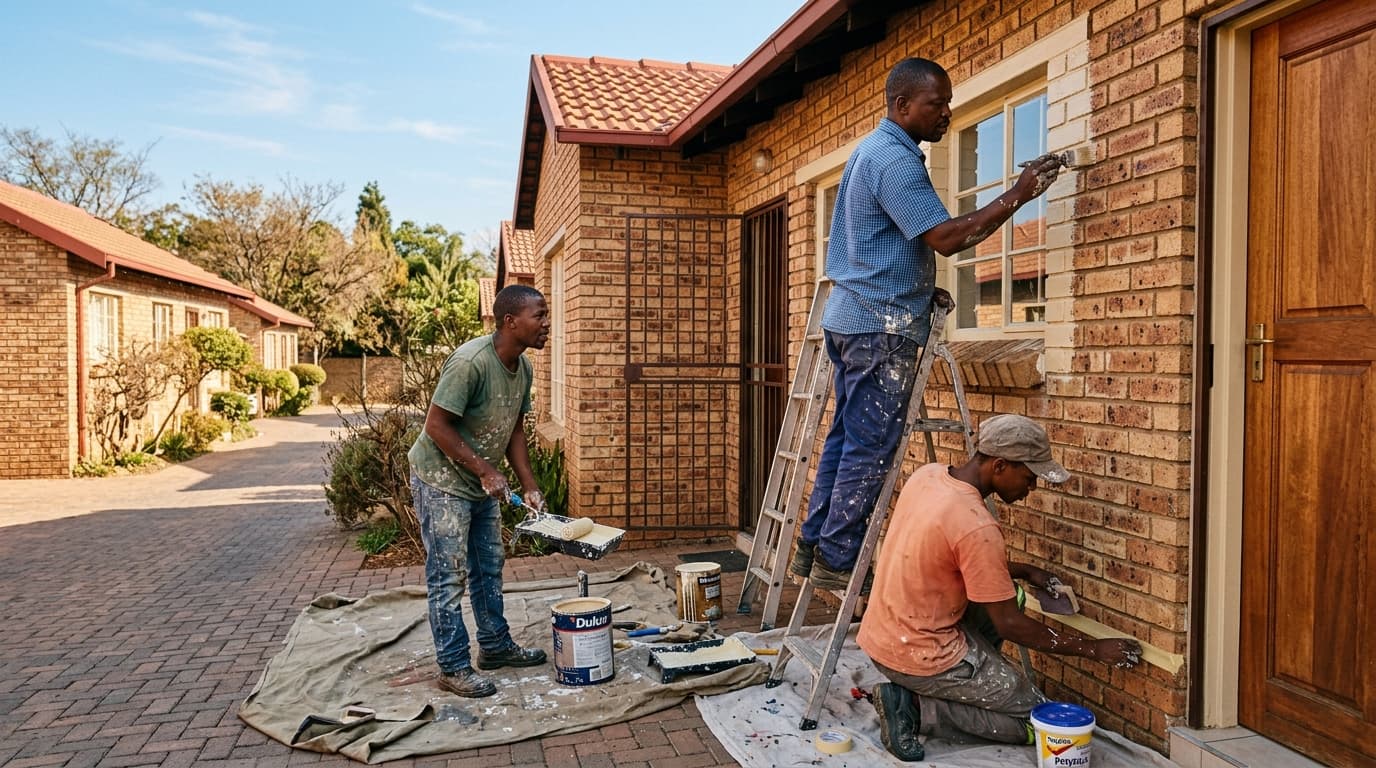
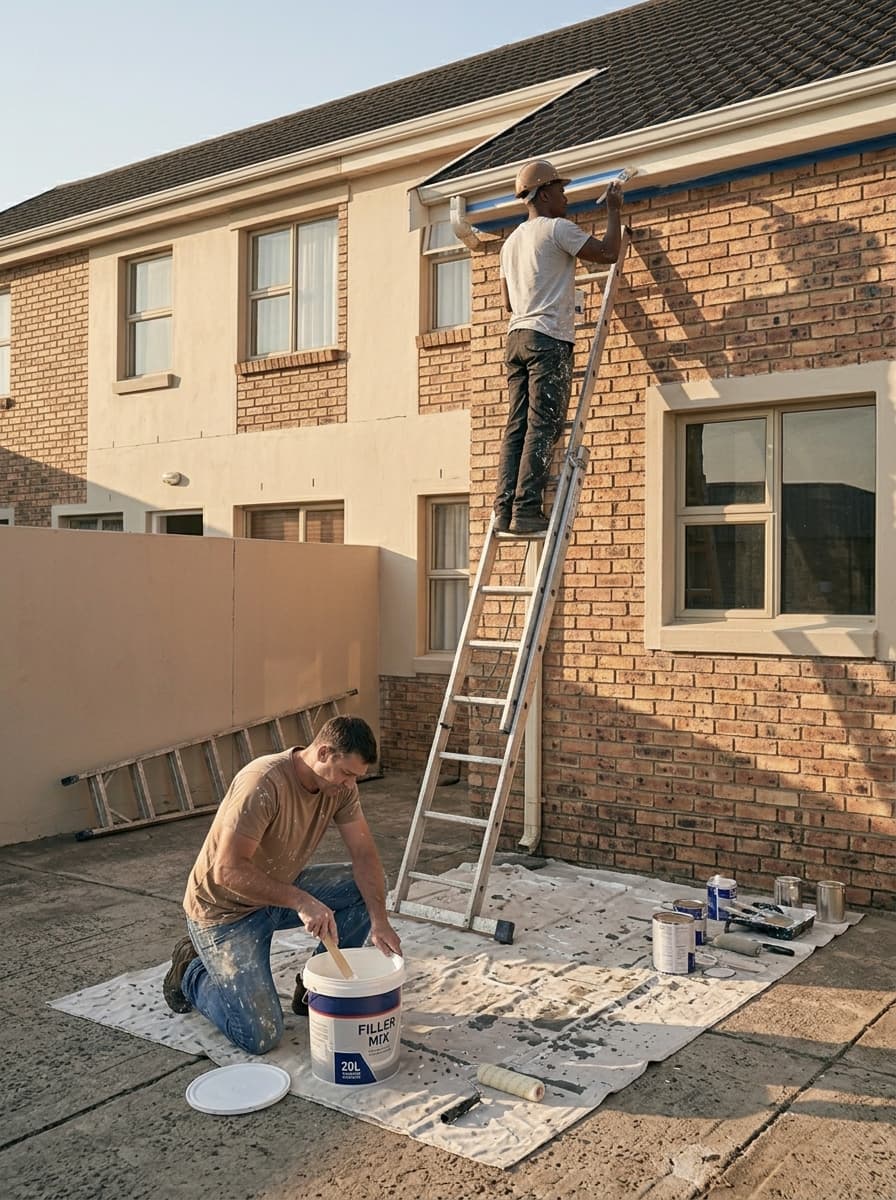
Exterior painting
Roofs, facades, and boundary walls for estates and complexes.
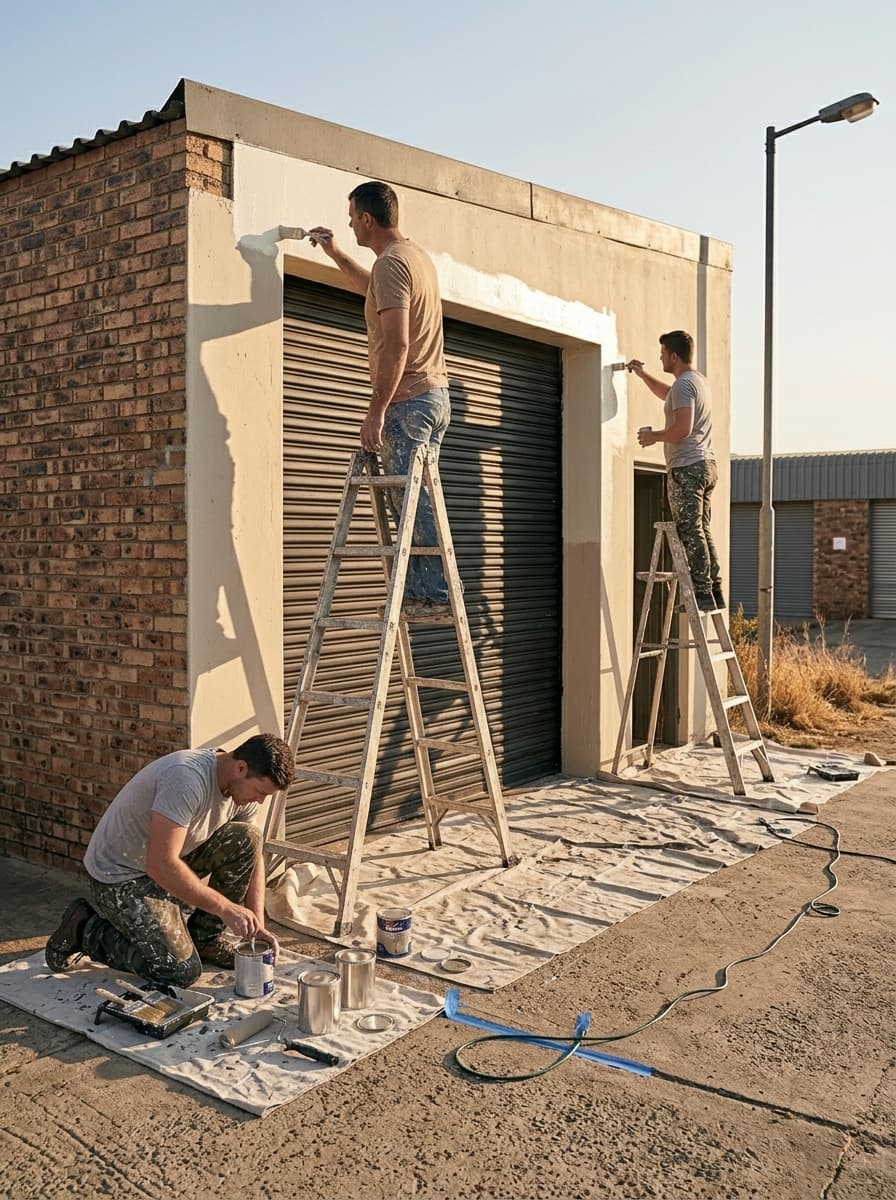
Body corporate programmes
Common-property scopes trustees and managing agents can approve.
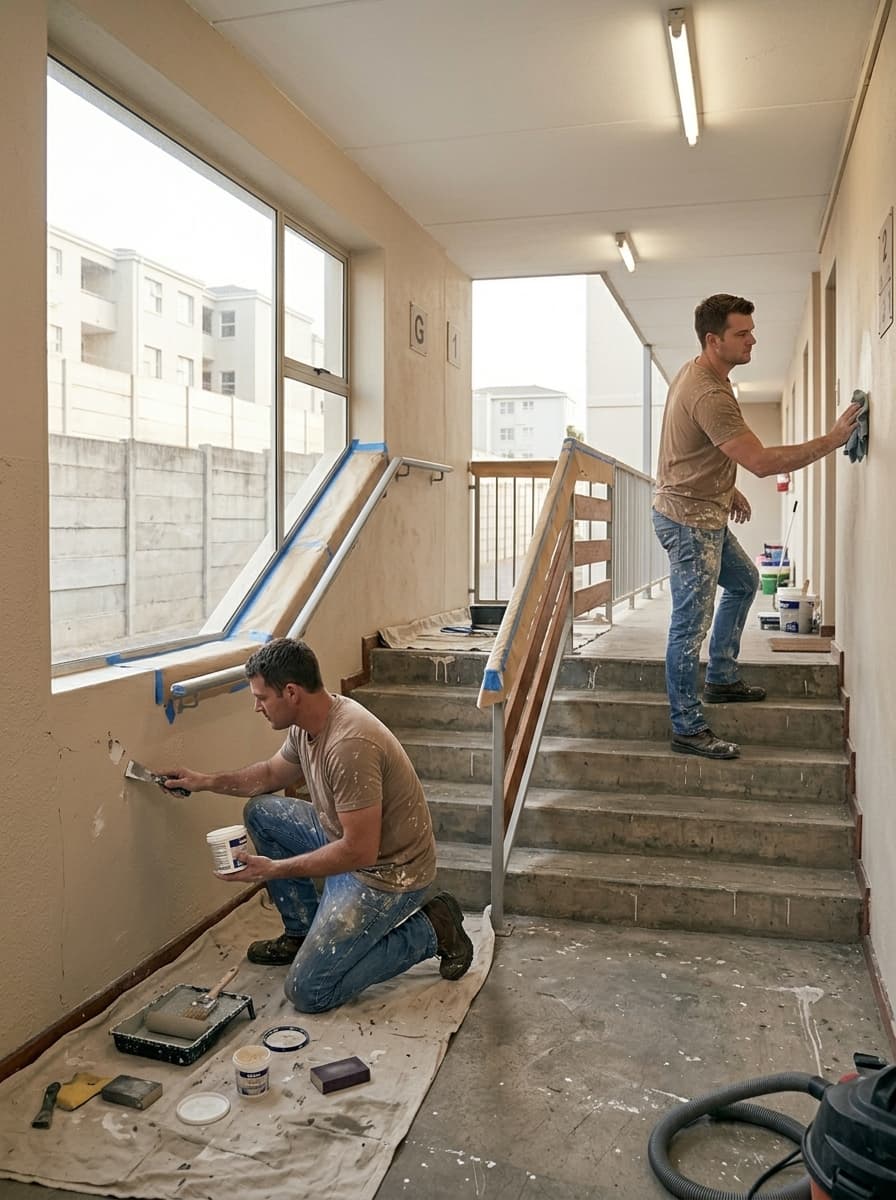
Estate facades & walls
Street-facing and courtyard finishes that keep estates looking sharp.
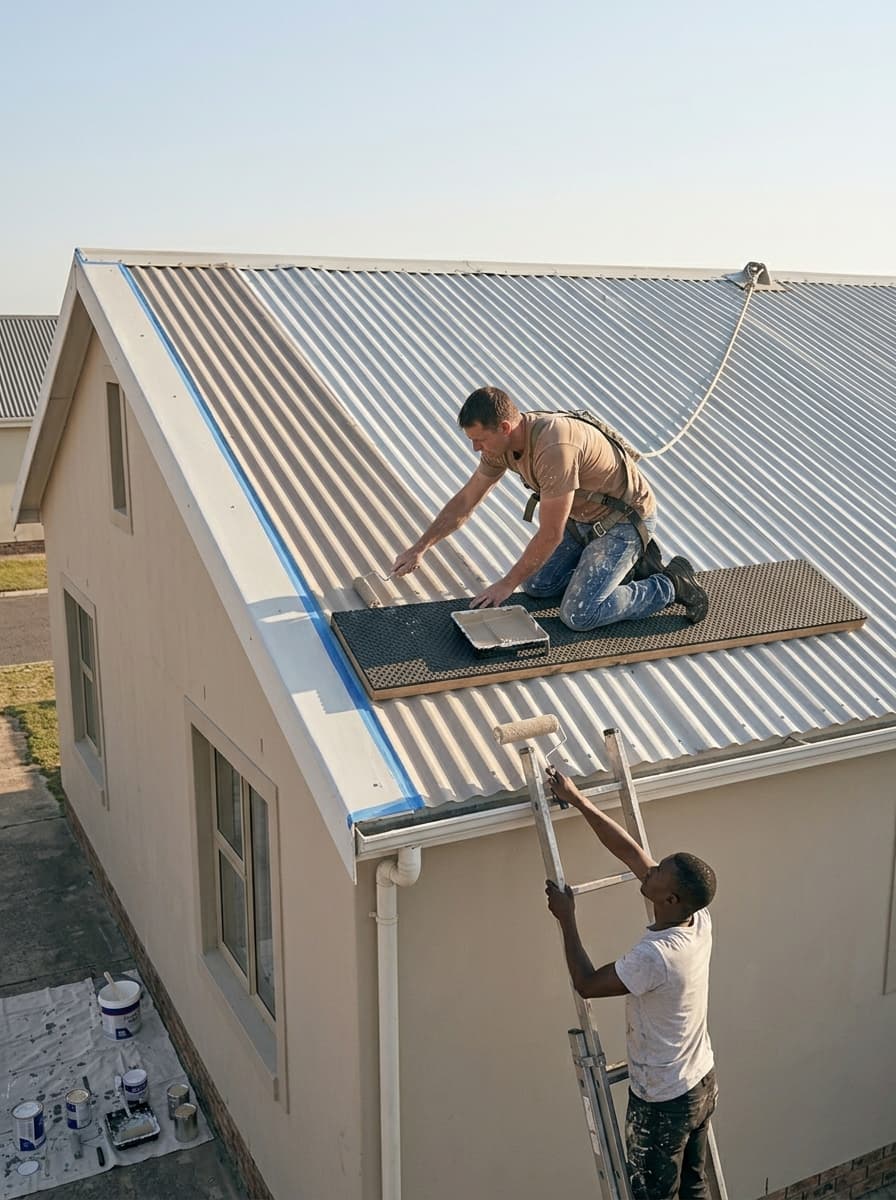
Roof coatings
Protective exterior roof systems built for Highveld weather.
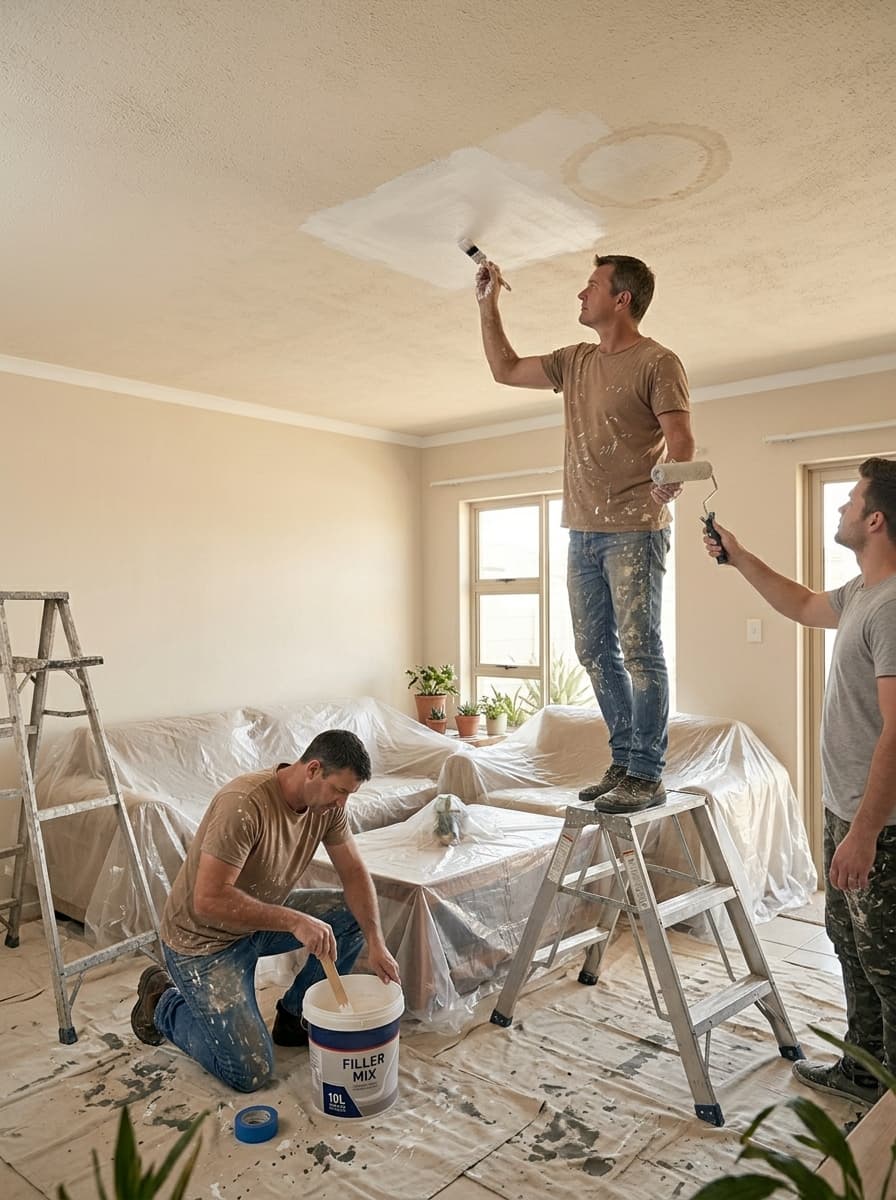
Boundary walls
Perimeter and shared-wall programmes with tidy site control.

Phased maintenance
Multi-year exterior plans that fit scheme budgets and access rules.
How it works
From site visit to handover
Walk the site
Rico inspects every elevation with you and flags what actually needs work — and what doesn't.
Written scope
An itemised quote trustees can table at the next meeting. No vague line items, no surprise extras.
Phased painting
Block-by-block scheduling, daily clean-up, residents kept informed. One contact from start to handover.
No obligation. We reply the same day.

Meet Rico
One owner. One phone number. Accountable on every site.
You're not dealing with a call centre or a rotating project manager. Rico walks the scheme with you, writes the scope, and stays responsible through handover — the person with reputational skin in the game on the West Rand.
- Direct WhatsApp and phone — same-day reply
- Itemised scopes trustees can table at meetings
- Snags fixed before we pack up
Why us
Built for estate work
- 01
Exterior specialists
Estates and complexes only — roofs, facades, boundary walls. We don't do interiors, so we're very good at what we do.
- 02
Owner-managed
Rico runs every job personally. The person who quoted your scheme is the person on site — not a call centre.
- 03
Estate-ready process
Written scopes, agreed working hours, security compliance, and phasing that works around residents and levies.
The honest part
We're rarely the cheapest quote on the table. Proper prep and the right coatings cost more upfront — and years less in redos. And if something isn't right at handover, we come back and sort it.
Proof
Exterior work on real schemes
Product-in-use beats brochure claims. This is the kind of exterior work trustees and managing agents appoint us for.
Estate facades

Common-property walls
Complex elevations
Roof coatings
Clients
Trusted on the West Rand
They phased the exterior over weekends so residents weren’t disrupted. The trustees signed off without rework.
Clear exterior scope, tidy site daily, and the boundary walls look sharp.
Roof and facade work done properly. They stuck to estate hours and left common areas clean.
Risk reversal
Best case: a sharp scheme. Worst case: we make it right.
Itemised scopes
Compare our quote line by line against cheaper tenders — see exactly what prep and coatings are included.
Snag walk-through
We walk the site with you at handover. If something isn’t right, we fix it before we pack up.
We come back
If a covered finish fails under normal use after handover, call Rico. We sort it — local reputation depends on it.
Common questions
Before you ask
Do you paint interiors?
No. We specialise in exterior painting for estates and complexes — roofs, facades, and boundary walls. That focus is why the work lasts.
Can you work with our body corporate?
Yes. We quote and phase common-property exteriors for trustees and managing agents, with itemised scopes you can table at meetings.
How disruptive is the work for residents?
Exterior work stays outside. We agree working hours with estate rules, phase the site in sections, put up notices, and leave active zones tidy every day.
Why not just take the cheapest quote?
You can — but most exterior failures come from skipped prep, not cheap paint. We itemise our scope so you can compare quotes line by line and see exactly what the cheaper one leaves out.
What if something isn’t right after handover?
We walk the site with you at handover and fix snags before we pack up. If a covered finish fails under normal use afterwards, call Rico — we come back and sort it.
How quickly do you respond?
Same day. Call or WhatsApp Rico directly — the owner, not a call centre — and we'll set up a site visit that suits your scheme.
Ready for a site visit?
Two clear next steps: call Rico now, or request a site visit. Same-day response either way.